
The Future of Elderly Care Services Post-Pandemic: What to Expect in Seattle
Introduction
The COVID-19 pandemic has reshaped many aspects of our lives, and elderly care services are no exception. As we move forward, Seattle is at the forefront of adopting innovative solutions to improve the quality of life for seniors. This post delves into the emerging trends and what the future holds for elderly care services in this vibrant city.
Embracing Technology
Technology has become a cornerstone in modernizing elderly care. From telehealth services to wearable health devices, technology is enabling seniors in Seattle to receive timely medical attention without leaving their homes. This shift not only enhances convenience but also ensures that seniors remain connected with healthcare providers.
Additionally, smart home devices are being increasingly integrated into elderly care plans. These devices help monitor daily activities, ensuring safety and providing peace of mind to families. Seattle’s tech-savvy environment is ideal for implementing these advancements on a broad scale.
Telehealth and Remote Monitoring
The use of telehealth has skyrocketed, providing seniors with easier access to medical consultations. Remote health monitoring devices also play a crucial role, tracking vital signs and alerting caregivers to any potential issues. These technologies are particularly beneficial for those with chronic conditions, offering continuous support.

Community-Based Support
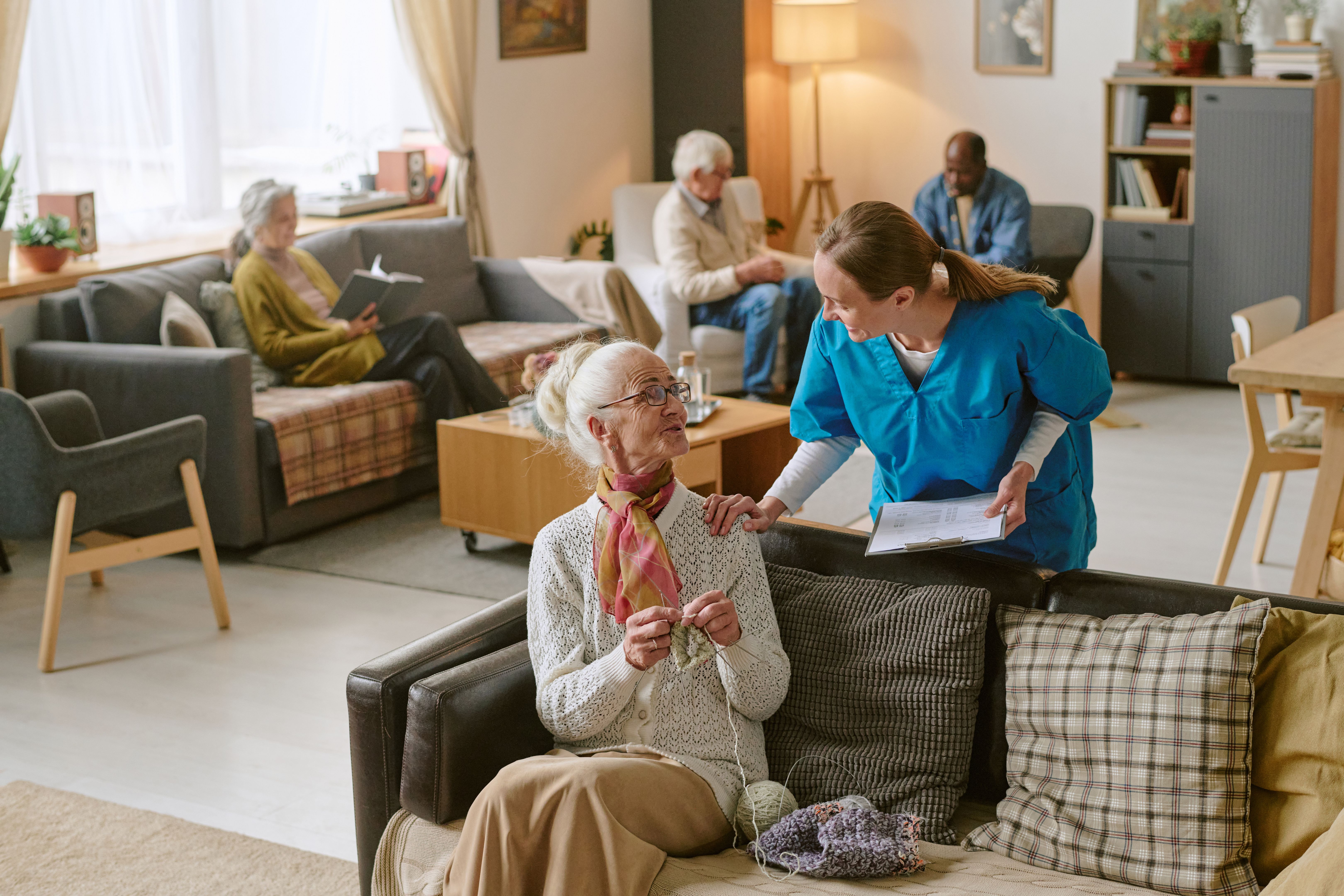
There is a growing emphasis on community-based support systems. Elderly care services are increasingly focusing on enhancing community engagement to combat isolation. In Seattle, community centers and local organizations are spearheading initiatives to keep seniors socially active and engaged.
Programs such as group exercise classes, art workshops, and social clubs are being expanded to encourage participation. These activities not only promote physical health but also contribute to mental well-being, fostering a sense of belonging among seniors.
Volunteer and Intergenerational Programs
Volunteer programs are gaining popularity, with younger generations stepping up to assist seniors through tutoring, companionship, and skill-sharing. Intergenerational programs are also emerging, where young and old come together to share experiences and learn from one another, enriching the lives of both groups.
Personalized Care Plans
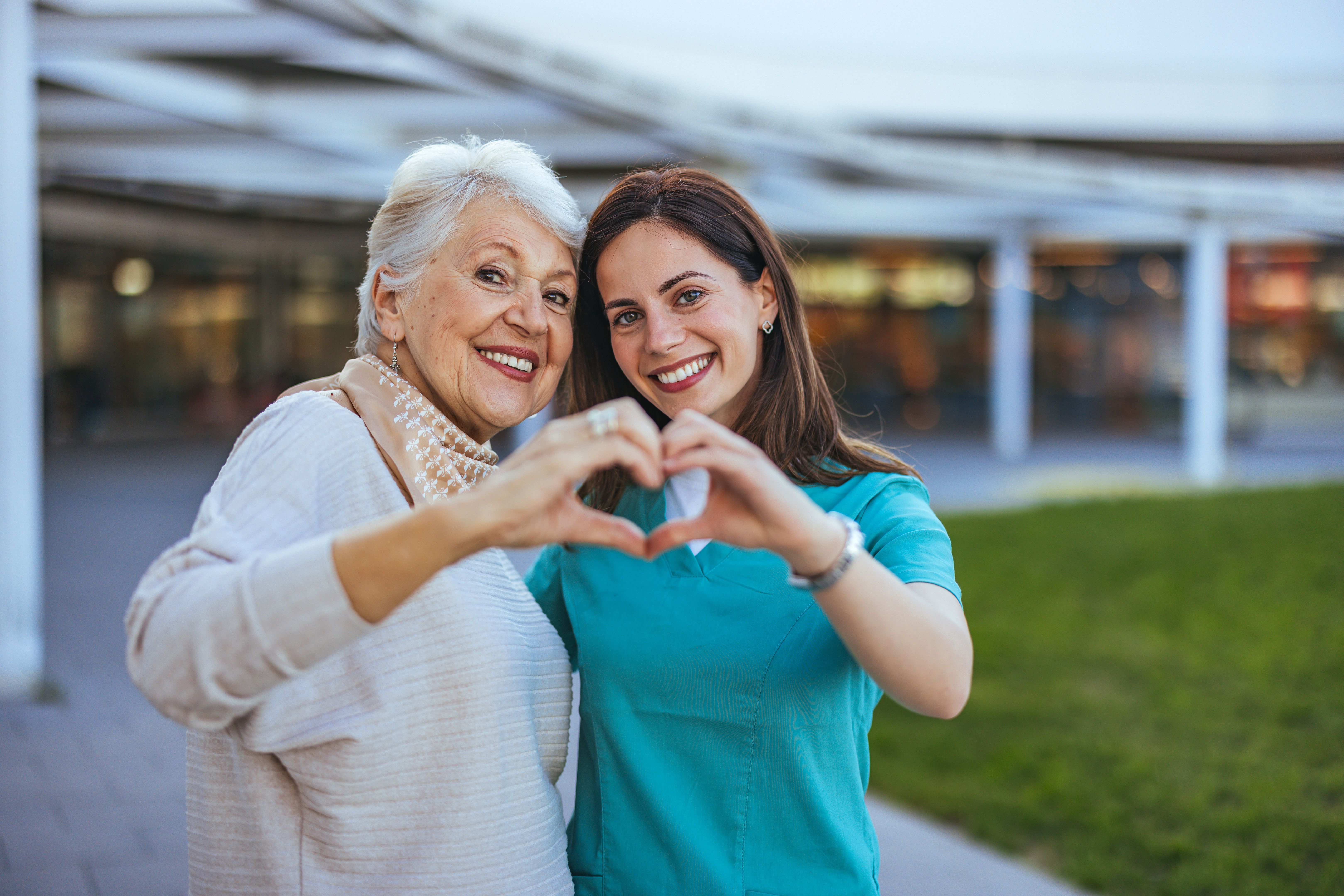
Personalized care is becoming the norm, with services tailored to meet the unique needs of each individual. In Seattle, care providers are adopting person-centered approaches, focusing on the preferences and requirements of seniors to deliver more effective care.
Customized care plans are essential in managing specific health conditions and ensuring that seniors lead fulfilling lives. This approach not only improves health outcomes but also enhances overall satisfaction with care services.
Integrating Holistic Therapies
Holistic therapies are being integrated into traditional care plans. Practices such as yoga, meditation, and music therapy are gaining traction, offering seniors additional avenues to improve their physical and emotional well-being. These therapies are particularly beneficial in reducing stress and promoting relaxation.

The Road Ahead
As Seattle continues to innovate, the future of elderly care looks promising. The integration of technology, community involvement, and personalized care will likely continue to evolve, setting new standards for elderly care services. The post-pandemic era offers an opportunity to rethink and enhance how we support our senior population.
By staying informed and embracing these changes, Seattle is set to lead the way in providing exemplary elderly care services that prioritize dignity, independence, and quality of life for all seniors.